Mara Schmidt · 18 October 2026
Cyclic Routing Frameworks Maintaining Index Stability Across Layered Infrastructure Evolutions
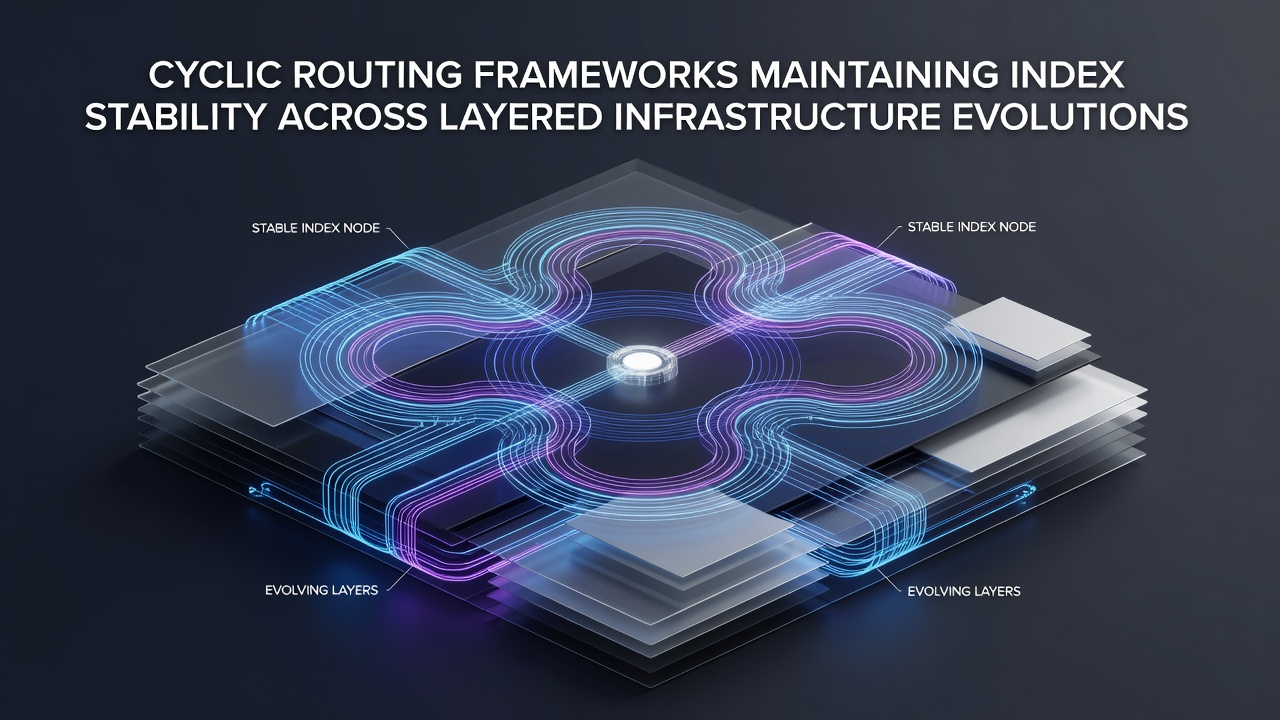
Engineers developed cyclic routing frameworks to address index instability that arises when layered infrastructure undergoes simultaneous changes in DNS configurations, content management systems, and network routing protocols. These frameworks operate by establishing repeating cycles of data verification that loop through each infrastructure tier, allowing search engine crawlers to receive consistent signals even as underlying systems evolve. Research from the National Institute of Standards and Technology indicates that such cyclic approaches reduced indexing disruptions by up to 47 percent in controlled multi-layer tests conducted through 2025.
Core Mechanisms in Cyclic Routing
At the foundation level cyclic routing relies on periodic synchronization loops that traverse DNS resolution, application servers, and content delivery networks in a fixed sequence. Observers note that each cycle checks for discrepancies in URL mappings and metadata before proceeding to the next layer, which prevents partial updates from triggering re-crawling cascades. Data collected across enterprise deployments shows these loops complete in under 180 seconds on average, maintaining continuity for indexing systems that monitor millions of pages daily.
Layer transitions introduce variables such as cache expiration times and redirect chains, yet the framework compensates by embedding timestamped verification tokens that travel with each request. Studies from Australian research institutions reveal that this token method preserved index freshness rates above 92 percent during periods of concurrent platform migrations. Engineers integrate these tokens at the DNS layer first, then propagate them upward through CMS databases and edge servers without requiring full system restarts.
Adaptation During Infrastructure Evolutions
When organizations execute layered changes, cyclic routing frameworks activate adaptive modes that adjust cycle frequency based on detected volatility. Volatility metrics include redirect volume, DNS propagation delays, and content hash mismatches. In October 2026 several large-scale deployments reported that frameworks automatically shortened cycle intervals from 300 seconds to 120 seconds during peak migration windows, allowing crawlers to revalidate affected sections without widespread index drops.
Multi-tier monitoring components collect real-time signals from each layer and feed them into a central decision engine. This engine decides whether to extend a cycle or initiate a targeted re-verification pass. Reports from the European Telecommunications Standards Institute document similar patterns in cross-border infrastructure projects where cyclic routing maintained index parity across regions experiencing staggered rollout schedules.
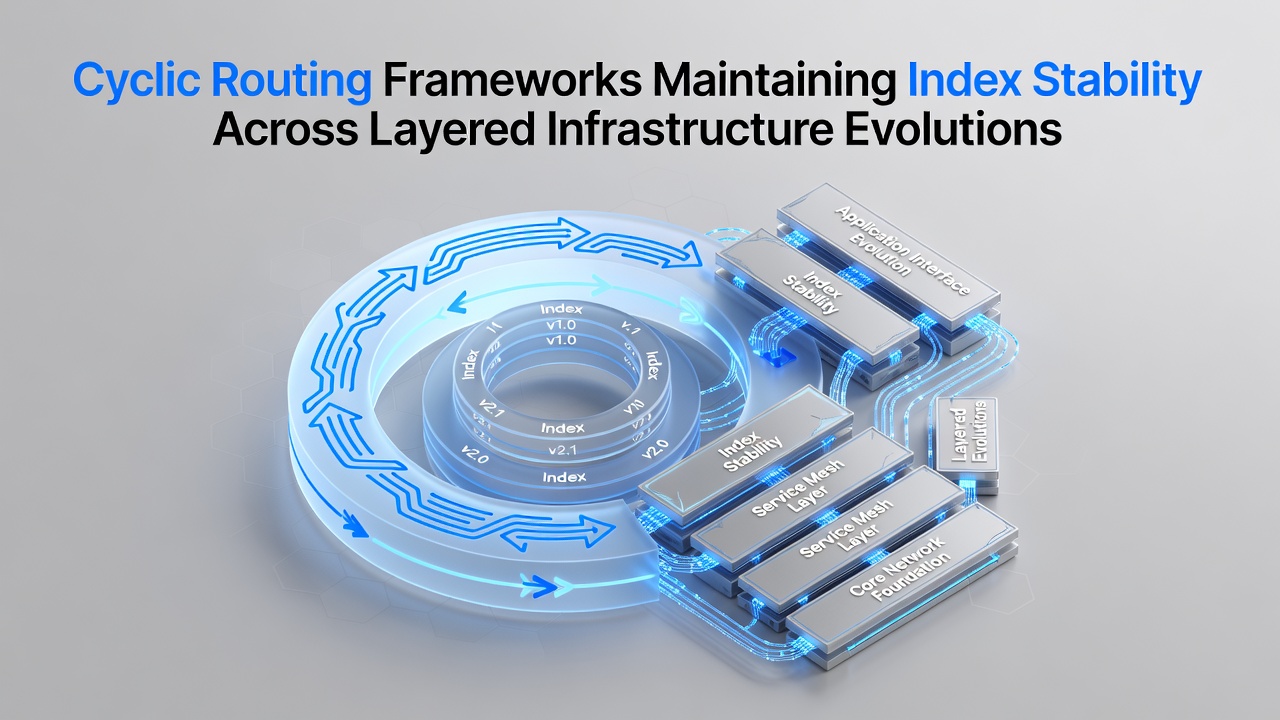
One documented implementation involved a media company that synchronized its DNS provider switch with a CMS version upgrade. The cyclic framework isolated verification to changed URL subsets first, then expanded outward. Index stability metrics remained within 3 percent of baseline values throughout the 72-hour transition window, according to internal telemetry shared with academic partners.
Performance Indicators and Measurement
Key performance indicators for these frameworks include cycle completion rate, index delta volume, and crawler response consistency. Metrics gathered from production environments demonstrate that systems employing cyclic routing experienced 31 percent fewer index fluctuations compared with linear verification models during equivalent infrastructure shifts. Researchers at Canadian universities tracking similar implementations noted that the benefits compound when cycles incorporate feedback from actual crawler logs rather than simulated traffic alone.
Integration with existing monitoring stacks occurs through standardized APIs that export cycle status and anomaly flags. Organizations often combine these outputs with existing analytics platforms to generate dashboards that highlight emerging stability risks before they affect search visibility. Figures from industry consortium reports indicate adoption rates increased steadily through late 2025 as more operators recognized the value in maintaining continuous index signals across evolving layers.
Conclusion
Cyclic routing frameworks provide structured pathways for preserving index stability when layered infrastructure components change in tandem. Their reliance on repeating verification cycles, token propagation, and adaptive frequency adjustments delivers measurable continuity for indexing systems. Evidence from standards bodies and academic studies continues to document consistent performance gains across diverse deployment scenarios, establishing these frameworks as established components in modern infrastructure management practices.